The rhythm
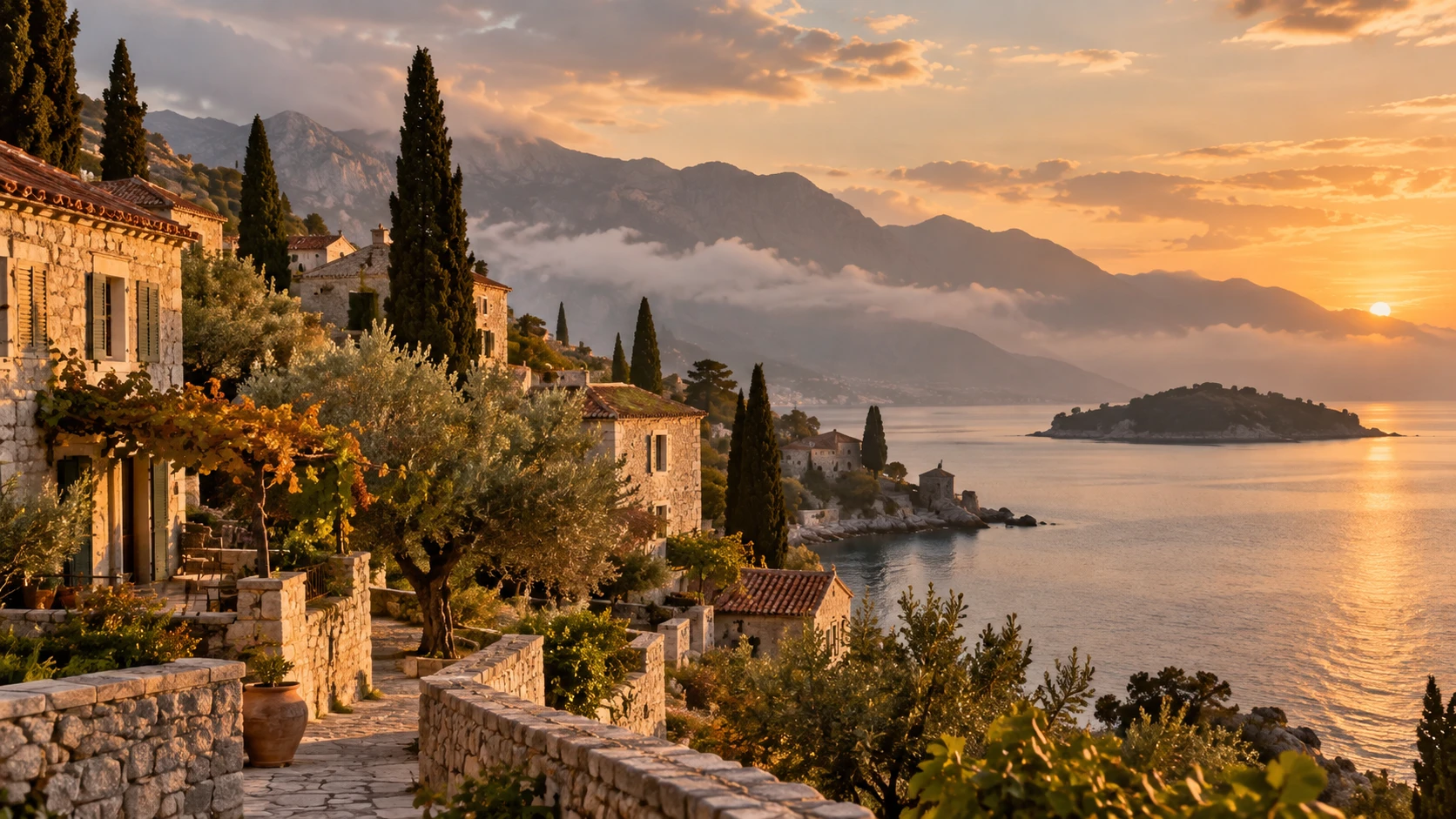
Choose one region for a three- or four-night trip rather than attempting a coast-to-coast tour. Inland Istria is the strongest all-round food journey. Kvarner offers the easiest mix of coast, hotel life and short-break accessibility. Pag is more elemental and dependent on good anchors such as Boškinac. The Highlands suit travellers who actively want colder air, forest and evenings indoors. Each version is different enough that “Croatia in October” should not be treated as one climate or one product.
What to eat and why it matters
October is particularly persuasive for travellers who plan around the table. Istrian white truffle season, harvest-era wine activity and new olive oil give the interior a strong seasonal identity. On Kvarner, fresh seafood and restaurant-led weekends become more important than beach time. On Pag, cheese, lamb, herbs and wine connect naturally to the landscape. The common thread is that food stops being an add-on and becomes the structure of the trip.
Practical planning
Pack for variation. Coastal afternoons can still feel gentle, while mornings, wind and inland evenings can be much cooler. Rain should be expected as a possibility, so choose accommodation and towns that still feel worthwhile when the weather changes. Check seasonal transport and business opening days directly. October rewards flexibility: keep the restaurant or hotel reservation fixed, but let the outdoor part of the day move with conditions.
Who this trip is for
October is ideal for repeat visitors, couples, food travellers, walkers and anyone who finds peak-summer density tiring. It is less suitable for travellers who need guaranteed beach weather or a full summer entertainment programme. If your priorities are atmosphere, better restaurant access, longer meals and landscapes with more room in them, October is one of the strongest months in the Quiet Season calendar.